Finance · Daily New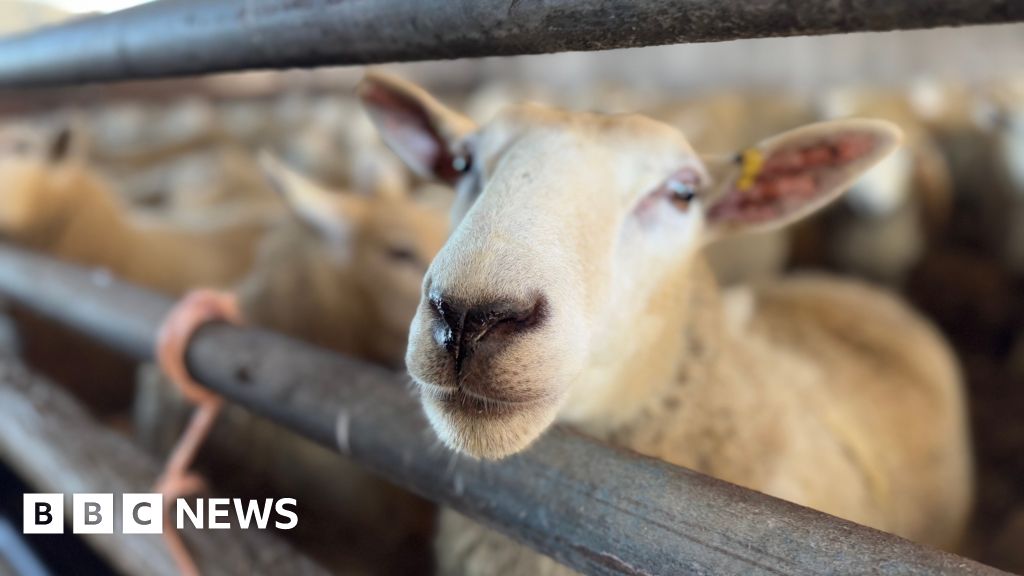
1 hour ago BBC Bluetongue is often fatal for sheep and can be deadly for cows Cases of a deadly virus affecting sheep and cattle have been confirmed in Oxfordshire and Isle of Wight, according to government figures. Bluetongue has been found in more than 2,000 farm animals in the UK since July and nearly 1,200 potential cases are under investigation. The virus, which causes fever and lameness, does not affect humans and is spread by midges rather than direct contact between animals.
Fifty cases have already been confirmed in Dorset, with Oxfordshire and Isle of Wight joining the government list of affected areas in recent days. It is often fatal for sheep, and in cattle can be fatal, cause a drop in milk production, and lead to failed pregnancies and birth defects. The latest government figures show a single case of bluetongue in Oxfordshire and another on the Isle of Wight but Carisbrooke Farm Vets in Newport told the BBC that "multiple farms" had been affected on the island.
In a social media post, it said: "The transmission risk remains very high - please remain vigilant. "We will be running a meeting in October to update regarding the current situation and future plan of action." Animal Plant and Health Agency Fifty cases of bluetongue have been confirmed in Dorset Deputy UK chief veterinary officer Ele Brown said vaccination remained the "best tool available" to help protect livestock. She urged farmers to discuss vaccination with their vet, adding: "It takes time for immunity in vaccinated animals to build." Trevor Cliggs, whose farm in north-west Dorset has been affected, vaccinated his flock but three cases developed during the 10-day period when immunity gradually builds up.
Symptoms of the virus include fever, lameness, facial swelling, nasal discharge and mouth ulcers. Meat and milk from infected animals are safe to eat and drink. All of England and Wales, and the south west of Scotland, are a bluetongue restricted zone, which means people require a licence to freeze livestock semen, ova and embryo, and testing is required, but there are no restrictions on movements.
Source: bbc.com