Finance · Daily New
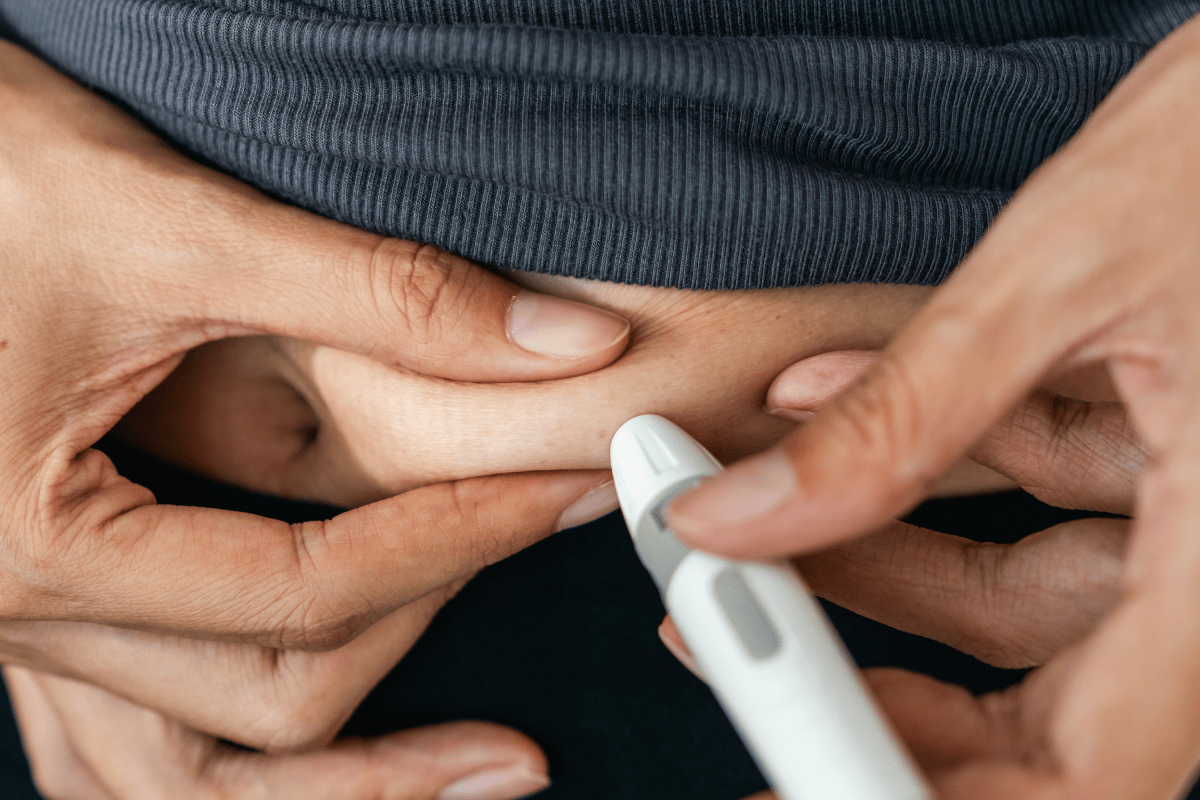
GLP-1 medications have become synonymous with weight loss . But a major new study of more than a quarter of a million adults suggests their biggest benefits may extend far beyond the number on the scale. People taking the weight loss drugs had lower risks of heart attack , stroke , heart failure, Type 2 diabetes and even death than those taking metformin , researchers found.
The study, presented at the American Heart Association's Scientific Sessions 2026, compared outcomes among adults with prediabetes and obesity who were prescribed either a GLP-1 receptor agonist or metformin, a widely-used diabetes drug. Read More on Health ... Among the findings, one result stood out even to lead study author Vinicius de Sousa Barzon Serra, M.D., a research fellow in the Department of Cardiovascular Medicine at Mayo Clinic in Scottsdale, Arizona.
"The finding that surprised me most was the 41 percent lower risk of death from any cause," Serra told Newsweek . "I expected GLP-1 medications to do better than metformin on blood sugar and diabetes risk , because they lead to much more weight loss." He added that the mortality gap appeared larger than expected, and that weight loss alone might not fully explain it. "What also stood out is that the benefit was not limited to blood sugar," Serra said.
"It showed up across heart attacks, strokes, heart failure, and even atrial fibrillation, in the same direction." Prediabetes occurs when blood sugar levels are elevated but not yet high enough for a Type 2 diabetes diagnosis. Nearly 40 percent of U.S. adults have prediabetes, and up to 10 percent progress to Type 2 diabetes each year, according to the American Heart Association. Researchers analyzed the electronic health records of 256,492 adults with prediabetes and obesity from the TriNetX global health network.
Participants had an average age of 52, and 76 percent were women. The study compared people prescribed GLP-1 drugs, including semaglutide, tirzepatide, liraglutide and dulaglutide, with those taking metformin. Compared with metformin users, people taking GLP-1 medications were about 1.5 times more likely to return their blood sugar to normal levels.
They also had a 31 percent lower risk of developing Type 2 diabetes and a 41 percent lower risk of death from any cause. Cardiovascular outcomes also favored GLP-1 medications. Users experienced 15 percent fewer heart attacks, 20 percent fewer strokes, 25 percent fewer cases of heart failure and an 8 percent lower risk of atrial fibrillation.
While the findings are encouraging, Bradley Neutel, a board-certified endocrinologist and founder of Coastline Endocrinology, said that the study does not prove the drugs were responsible for the improved outcomes. "Observational studies like this are better than nothing, and certainly provide some helpful associations, but they are not as definitive as rigorous trials," Neutel told Newsweek . "Overall health, lifestyle factors, healthcare access and the propensity to take medications may differ between patients taking GLP-1 drugs and those taking metformin." Neutel, who was not involved in the research, said other factors may also have influenced the results.
"Confounding factors like age, the severity of obesity, comorbidities like cardiovascular disease, and other medications" need to be considered, he said. Although GLP-1 drugs are often viewed primarily as weight-loss medications, Serra said the findings suggest they may play a broader role. "Our findings suggest these medications may offer benefits beyond weight loss," he said.
"Most earlier research focused on people who already had Type 2 diabetes. We studied people with prediabetes and obesity, when it is still possible to prevent the disease." The results should not be interpreted as replacing existing approaches, he added. "My key message for clinicians is that prediabetes may be a good time to talk about GLP-1 medications with some patients, instead of waiting for diabetes to develop," Serra said.
"Metformin is still a safe, low-cost, first-line option and lifestyle changes remain the foundation of treatment." The researchers cautioned that the study was observational and relied on electronic health records, meaning it cannot prove that GLP-1 medications directly caused the improved outcomes. Because the research was observational, factors other than the medications themselves may have contributed to the differences seen between the two groups. The findings were presented as a conference abstract and have not yet been peer-reviewed or published in a scientific journal.
Contact Newsweek editors on this story: Kara Dolman and Emma Lee-Sang
Source: Newsweek