Finance · Daily New
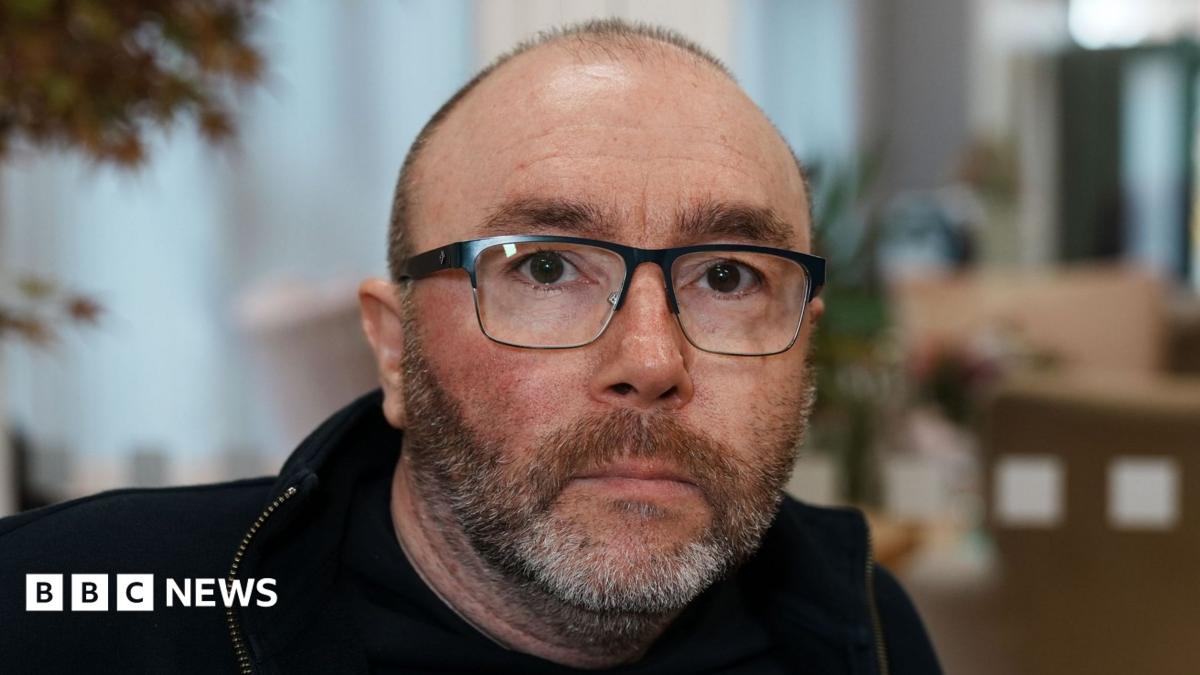
'I felt imprisoned in my home after being paralysed' Image source, John Fairhall/BBC Image caption, David Bateman said doctors ignored his spinal injury while focusing on his cancer treatment By Stuart Woodward in Halstead and Lewis Adams Essex A father-of-two said a lack of support after he was paralysed left him feeling "imprisoned" in his own home. David Bateman, from Halstead, Essex, felt abandoned and "not knowing how to survive" after his cancer caused the paralysis in 2023. The 53-year-old said doctors mostly ignored his spinal injuries and how to live with them, instead focusing heavily on treating his rare cancer.
Morven Hurding, a senior cancer nurse at Colchester Hospital, said Bateman's candid account of his treatment had inspired improvements. Bateman now works with East Suffolk and North Essex NHS Foundation Trust (ESNEFT), which runs the hospital, to improve its spinal care. He was first diagnosed with a tumour growing inside his spinal cord in 2017 after months of symptoms, including muscle pain and numbness. 'The unimaginable' While in hospital undergoing treatment in March 2023, Bateman woke up one morning to find himself paralysed from the chest down.
"I called for a nurse and I said, 'Can you help get these blankets off [my legs]?' and she said, 'You haven't got any blankets on'," he told the BBC. "That's one of those points where you think the unimaginable has happened." Image source, David Bateman Image caption, Bateman pictured with his wife, Jennie, before he was paralysed Bateman remained in hospital for three weeks and a care package was made for him, but he was not referred to a specialist spinal unit. "I was just left to my own devices," recalled the car enthusiast, who was given a life expectancy of 12 months.
"The message was very much, 'go home and make memories' and I remember being at home thinking - how do I make memories like this? My life was 12 hours in bed, 12 hours in the chair. "I didn't want to go out because of the risk of bowel accidents, so I felt imprisoned in my own home." It was only when Bateman and his wife Jennie watched a documentary, The Boy Who Lived , that they discovered the existence of specialist spinal units.
Image source, John Fairhall/BBC Image caption, Bateman now uses a wheelchair to get around He started receiving support from the Spinal Injuries Association (SIA) and credited the charity with changing his life. "To find them was just like [being] in a black room and you've just had these big doors opened up and all the light is shining in," Bateman explained. He has defied doctors, with his cancer now described as "stable".
Bateman now works with the SIA and ESNEFT to help other patients going through similar experiences to him. Image source, John Fairhall/BBC Image caption, Morven Hurding said patient feedback was key to making improvements Hurding, ESNEFT's Macmillan lead cancer nurse, credited him with changing the approach of care teams. "We really appreciate and are grateful to David for sharing his story, because what he has been through has been very difficult," she said.
Hurding admitted a heavy focus on treating Bateman's cancer may have resulted in less support for his spinal injury. She continued: "We've learned a great deal about what's available outside of our immediate hospital services." Hospital teams were now made aware of the SIA and encouraged not to work in silos, the senior nurse said. She added: "It's so important to hear from our patients, our patient experience is absolutely key to making any improvements." A spokesperson for the SIA said it was a "postcode lottery" for people with spinal cord injuries "when it comes to accessing the vital help and support that they need to live a fulfilled life".
Do you have a story suggestion for Essex? Contact us below. Get in touch Your Voice
Source: BBC